Slot Tournaments Uncovered: When They're a Goldmine and When They're Just a Marketing Stunt
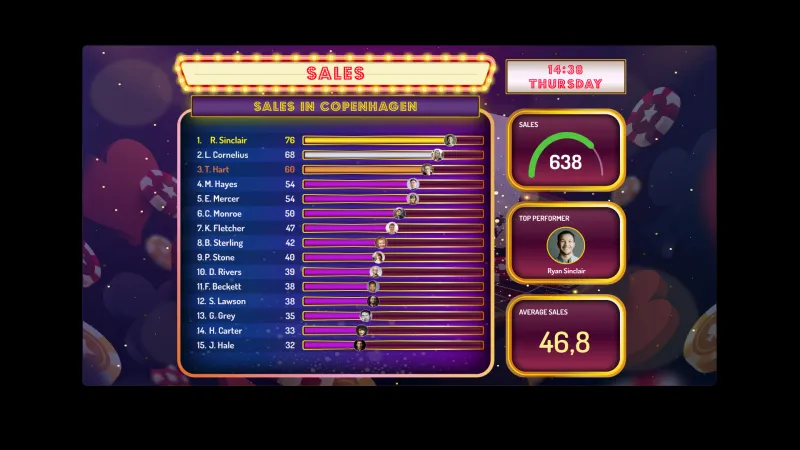
Photo: casino slot tournament leaderboard competitive players, via www.intramanager.com
Walk into any mid-size casino in Vegas, Atlantic City, or Biloxi on a weekend, and there's a decent chance you'll spot a slot tournament in progress. Players hunched over machines, fingers flying, eyes locked on a countdown clock. Online, the same energy plays out on leaderboard screens with prize pools and ticking timers. It looks thrilling. It feels competitive. And for a certain type of player, it genuinely is.
But here's what the casino brochure doesn't explain: slot tournaments are carefully constructed events, and the house has a very clear picture of who wins and who doesn't — often before the first spin is even cast.
That doesn't mean you should avoid them entirely. It means you need to know what you're walking into.
How Slot Tournaments Actually Work
The basic structure is straightforward. Players pay an entry fee (or receive a free entry as part of a promotion), receive a set number of credits, and compete to accumulate the highest score within a fixed time window — usually anywhere from three to twenty minutes. The top scorers on the leaderboard split a prize pool.
Here's the catch most casual players miss: your credits in a tournament are not the same as real money. You can't cash them out. You're not actually gambling in the traditional sense — you're spinning as fast as physically possible to rack up points. The outcome of each spin still depends on the RNG, but your strategy in a tournament is essentially just speed. Mash the button. Don't stop. Don't adjust bet sizes. Just spin.
That shift in mechanics is important because it changes the entire value equation.
The Entry Fee Problem
Most paid slot tournaments charge entry fees ranging from $25 to $100+ at brick-and-mortar casinos. Online, fees tend to run lower — sometimes $5 to $30 — though high-stakes online tournaments at major platforms can go much higher.
The prize pool is typically funded by those entry fees, but rarely at a 1:1 ratio. Casinos keep a percentage as their cut. A tournament with 100 players paying $50 each generates $5,000 in entry fees. The advertised prize pool might be $3,500 — meaning the casino is pocketing $1,500 off the top before a single spin happens.
That built-in rake is the first thing to calculate before you register for anything. If the total entry fees collected exceed the prize pool, you're already playing with negative expected value as a group. That's not automatically a reason to skip — entertainment has value — but you should know the math going in.
When Tournaments Genuinely Offer Real Value
Not all tournaments are traps. Some are legitimately worth entering, and they share a few identifiable traits:
Free entry or rebuy tournaments with guaranteed prize pools. Some casinos offer tournaments with no entry fee as a loyalty perk or promotional event. If the prize pool is guaranteed regardless of participation numbers, you're getting real value at zero cost. These are the clearest wins.
Tournaments where the prize pool equals or exceeds total entry fees. Rare, but they exist — especially when casinos are trying to drive foot traffic or promote a new game. If the math works in players' collective favor, the edge shifts meaningfully.
Tournaments with small fields and large prizes. A 30-player tournament with a $2,000 first prize and a $50 entry fee is a very different proposition than a 500-player event with the same top prize. Smaller fields mean better odds of finishing in the money.
Reoccurring loyalty-based tournaments. Many casinos run weekly or monthly tournaments for players in their rewards programs. Entry is often free or deeply discounted for high-tier members. If you're already playing regularly and earning points anyway, these can add genuine value to your existing activity.
The Red Flags to Watch For
On the flip side, certain tournament structures are almost always designed to extract more than they give:
Unlimited rebuy tournaments. These events let you buy additional entries after poor rounds, which sounds like a second chance but almost always benefits aggressive players with deep pockets. Casual players end up spending far more than they planned.
Tournaments with opaque prize pool structures. If the casino won't clearly state the total prize pool or how many players are in the money, that's a problem. Legitimate tournaments publish this information upfront.
Online leaderboard promotions with no prize floor. Some online casinos run "tournaments" that are really just promotional overlays — you earn points toward prizes that only pay out to the top three players out of thousands. Your realistic odds of winning anything are microscopic.
Tournaments requiring max bet play outside the tournament. A few casinos structure their tournament packages to include required real-money play at max bets as a condition of entry. Read the fine print. What looks like a $30 entry fee can come with strings attached.
A Quick Pre-Registration Checklist
Before you sign up for any tournament, run through these questions:
- What is the total prize pool, and how does it compare to total entry fees collected?
- How many players finish in the money, and what does the payout structure look like?
- Is this a free entry, paid entry, or loyalty-based event?
- Are rebuys allowed, and if so, is there a cap?
- For online tournaments: how many players typically compete, and what's the realistic probability of a cash finish?
- Are there any conditions attached to entry beyond the listed fee?
If a tournament can't answer most of these questions clearly in its promotional materials, that's a signal worth paying attention to.
The Right Mindset for Tournament Play
Even well-structured tournaments involve significant luck. You can do everything right — spin fast, pick a solid tournament, manage your entry fee — and still finish mid-pack because the RNG decided someone else's machine was running hot that session. That's the nature of the format.
The players who enjoy tournaments most treat them as a distinct entertainment experience rather than a reliable path to profit. There's a genuine rush to competitive play that regular solo sessions don't deliver. If you go in with realistic expectations, a clear budget for entry fees, and the knowledge to identify events that aren't stacked against you, tournaments can be a genuinely fun addition to your casino routine.
Just don't let the leaderboard graphics and countdown clocks convince you that excitement equals value. Those are casino design elements working exactly as intended.